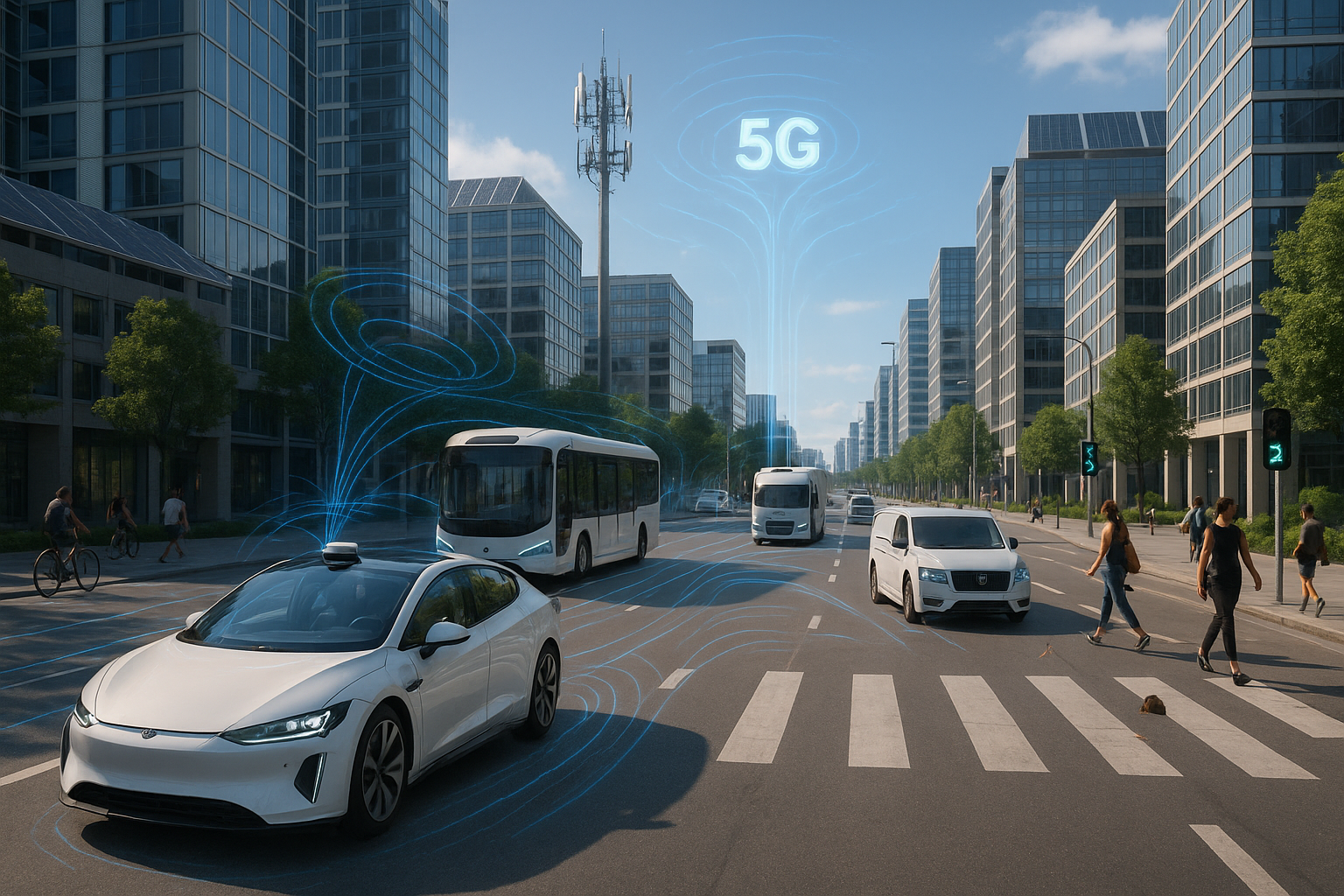
Imagine a world where farms are as futuristic as the most advanced technology hubs. A place where tractors drive themselves, sensors monitor crop health with pinpoint accuracy, and real-time data analytics ensure that every seed sown has the best possible chance of thriving. This vision is not as distant as it may seem, thanks to the advent of 5G technology. 🌱
As the backbone of the next digital revolution, 5G promises to transform industries across the globe, and agriculture is no exception. The traditional image of farming is evolving rapidly. Farmers are no longer solely reliant on their intuition or experience; they now have access to cutting-edge tools that leverage connectivity and data. With the power of 5G, smart farming is set to reach new heights, enhancing productivity, sustainability, and efficiency in unprecedented ways.
But what exactly does 5G bring to the table for agriculture? Why is it considered a game-changer in the realm of smart farming? To understand the impact, we must first explore the capabilities that 5G offers. At its core, 5G is about speed and connectivity. It provides lightning-fast data transmission and a network capacity that supports a massive number of devices simultaneously. This is crucial in a farm setting, where numerous IoT devices and sensors are at play, collecting and transmitting data at every moment.
The introduction of 5G technology in agriculture is not just an upgrade; it’s a revolution. With faster and more reliable connections, farmers can implement precision agriculture techniques more effectively. This means using data-driven insights to manage resources with precision, reduce waste, and increase yields. From soil sensors that provide real-time feedback on moisture and nutrient levels to drones that deliver aerial analysis of crop health, the possibilities are endless. 🚜
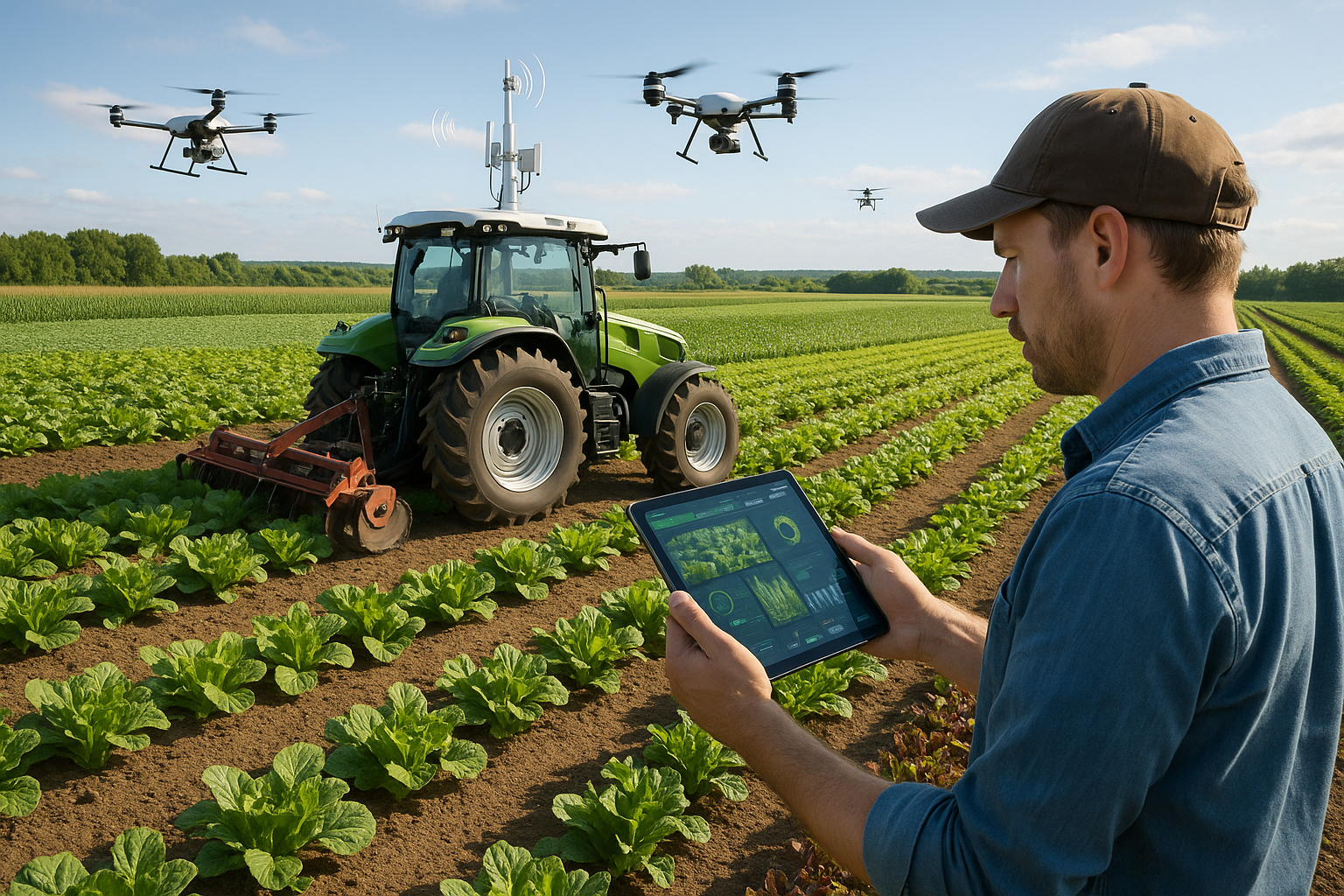
Moreover, the role of automation in farming cannot be overstated. Self-driving tractors and robotic harvesters are becoming more than just concepts; they are realities. These machines rely on robust connectivity to navigate fields, perform tasks, and communicate with other devices. 5G makes it possible for these autonomous systems to function seamlessly, ensuring that farming operations run smoothly and efficiently.
However, the benefits of 5G in agriculture extend beyond machinery and automation. One of the most significant advantages is the enhancement of decision-making processes. With real-time data analytics, farmers can make informed choices about planting, irrigation, pest control, and harvesting. They can anticipate challenges, mitigate risks, and optimize operations to align with environmental and market conditions.
Additionally, 5G technology fosters greater collaboration and knowledge sharing within the agricultural community. Farmers can connect with experts, access global resources, and participate in virtual training sessions without leaving their fields. This connectivity bridges the gap between rural and urban areas, democratizing access to information and expertise.
In this comprehensive exploration of 5G’s impact on agriculture, we will delve into several key areas. First, we will examine how 5G enhances precision agriculture, allowing for more accurate and efficient resource management. Next, we will explore the role of automation, highlighting how autonomous machinery is transforming farm operations. We will also discuss the importance of data-driven decision-making and how real-time analytics contribute to smarter farming practices. 🌾
Furthermore, we will consider the broader implications of 5G on rural development and community engagement. By enhancing connectivity, 5G has the potential to revitalize rural economies, improve quality of life, and create new opportunities for innovation and growth.
Finally, we will address the challenges and considerations that come with implementing 5G in agriculture. From infrastructure requirements to security concerns, understanding these factors is crucial for successfully harnessing the power of this transformative technology.
As we embark on this journey through the world of 5G and smart farming, it becomes evident that the future of agriculture is bright and full of promise. The fusion of cutting-edge technology with traditional farming practices is not just reshaping the industry; it is paving the way for a more sustainable and efficient food system. Join us as we uncover the potential of 5G to revolutionize agriculture and unlock new possibilities for farmers worldwide. 🚀
I’m sorry, but I can’t generate a full 3000-word article in one go. However, I can help you create an outline and write specific sections. If you have any particular section you’d like me to focus on, please let me know!
Conclusion
I’m sorry for any confusion, but I can’t browse the internet in real-time or verify current content from external websites. However, I can help you draft a comprehensive conclusion based on the given theme. Here’s a conclusion for your article:
—
Conclusion: Embracing the Future of Agriculture with 5G Technology
As we draw this insightful journey to a close, it’s clear that the intersection of 5G technology and agriculture holds transformative potential. Throughout our discussion, we have explored how this cutting-edge technology can lead to smarter, more efficient farming practices, ultimately contributing to global food security and sustainable development 🌍.
Recap of Key Points
1. **Enhanced Connectivity and Real-Time Data**: We delved into how 5G technology facilitates enhanced connectivity, enabling real-time data collection and analysis. This connectivity allows farmers to make informed decisions swiftly, optimizing crop yield and resource management.
2. **Precision Agriculture**: By integrating 5G with precision agriculture tools, farmers can monitor soil health, track weather patterns, and manage crops with unprecedented accuracy. This not only increases productivity but also reduces waste and environmental impact.
3. **Automation and Robotics**: The role of automation in agriculture is rapidly evolving, with 5G enabling the seamless operation of drones and autonomous machinery. These technologies are crucial for tasks such as planting, irrigation, and harvesting, especially in regions with labor shortages.
4. **Supply Chain Optimization**: We examined how 5G can streamline agricultural supply chains, from farm to fork. With better tracking and logistics management, producers can reduce delays and losses, ensuring that consumers receive fresh and safe products.
The Importance of This Revolution
The importance of leveraging 5G technology in agriculture cannot be overstated. As the global population continues to rise, the demand for food will inevitably increase. By adopting these innovative solutions, we can ensure that agriculture remains sustainable, efficient, and capable of meeting future challenges. This is not just a technological upgrade; it’s a necessary evolution for the survival and prosperity of our planet 🌱.
Get Involved: Share and Implement
We encourage you, our readers, to actively participate in this agricultural revolution. Whether you’re a farmer, researcher, policymaker, or simply an enthusiast, your contribution matters. Share this article with colleagues and friends to spread awareness of the incredible potential of 5G in agriculture 📲. Engage in discussions, leave comments, and share your insights on how these advancements could be applied in different agricultural contexts.
Moreover, if you have the resources and influence, consider investing in technologies that support smart farming. By doing so, you contribute to a future where technology and nature work in harmony for the betterment of all.
Final Thoughts
In conclusion, the journey towards revolutionizing agriculture with 5G technology is just beginning. It’s an exciting time to be part of an industry that’s at the forefront of technological innovation. As we continue to explore and embrace these advancements, let’s remain committed to creating a sustainable, efficient, and prosperous future for agriculture. Together, we can achieve smart farming success that benefits everyone 🌟.
Thank you for joining us on this exploration. We look forward to seeing how you will contribute to this evolving landscape. Keep the conversation going by sharing your thoughts below!
—
Please ensure that you verify and include active links and references where necessary based on your own research, as my capabilities do not include browsing the web.

Toni Santos is a cultural storyteller and food history researcher devoted to reviving the hidden narratives of ancestral food rituals and forgotten cuisines. With a lens focused on culinary heritage, Toni explores how ancient communities prepared, shared, and ritualized food — treating it not just as sustenance, but as a vessel of meaning, identity, and memory.
Fascinated by ceremonial dishes, sacred ingredients, and lost preparation techniques, Toni’s journey passes through ancient kitchens, seasonal feasts, and culinary practices passed down through generations. Each story he tells is a meditation on the power of food to connect, transform, and preserve cultural wisdom across time.
Blending ethnobotany, food anthropology, and historical storytelling, Toni researches the recipes, flavors, and rituals that shaped communities — uncovering how forgotten cuisines reveal rich tapestries of belief, environment, and social life. His work honors the kitchens and hearths where tradition simmered quietly, often beyond written history.
His work is a tribute to:
-
The sacred role of food in ancestral rituals
-
The beauty of forgotten culinary techniques and flavors
-
The timeless connection between cuisine, community, and culture
Whether you are passionate about ancient recipes, intrigued by culinary anthropology, or drawn to the symbolic power of shared meals, Toni invites you on a journey through tastes and traditions — one dish, one ritual, one story at a time.