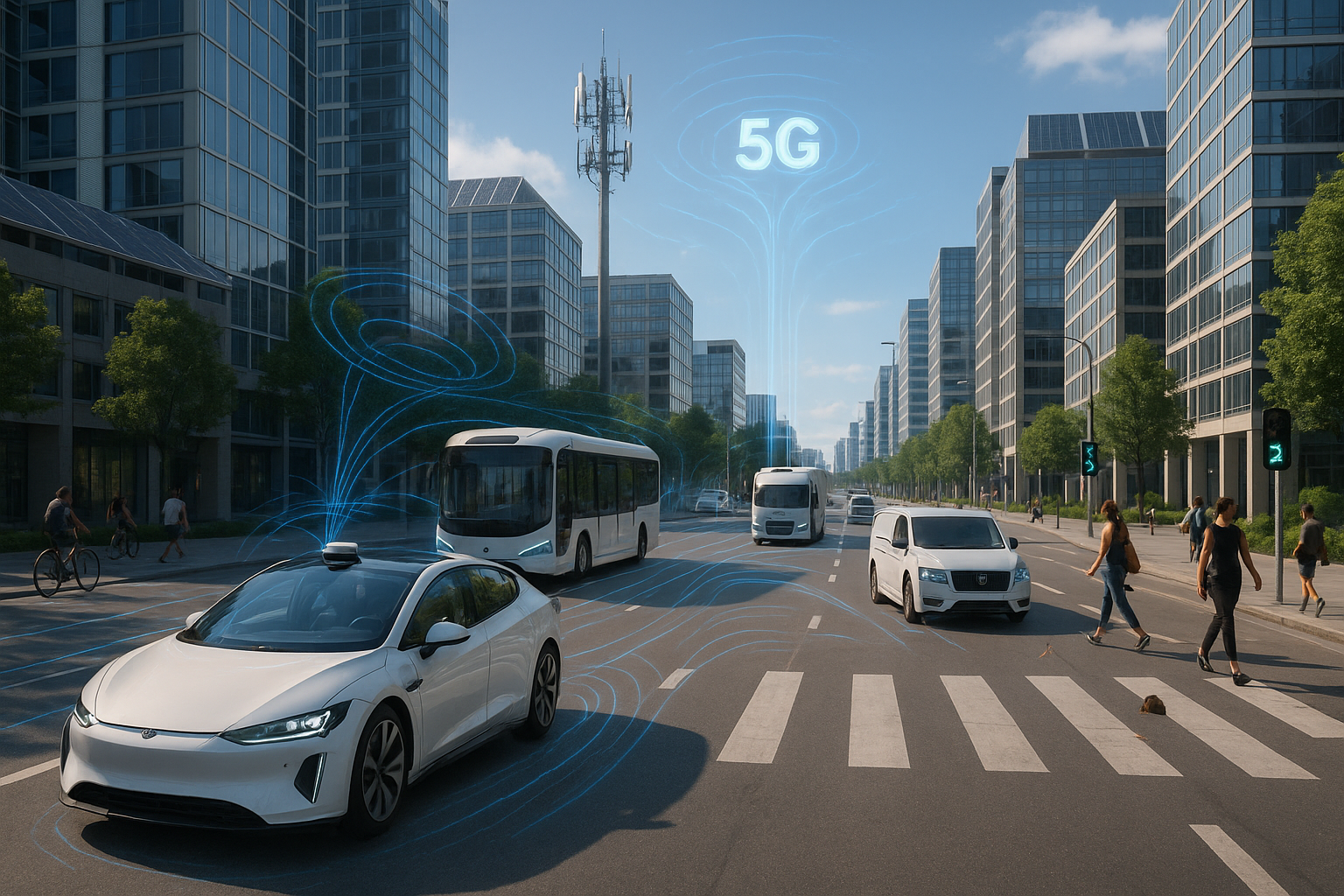
The advent of 5G technology promised to revolutionize the way we connect, communicate, and consume data. With the potential for lightning-fast internet speeds and seamless connectivity, the rollout of 5G networks was heralded as a giant leap forward in the digital age. Yet, as 5G towers begin to sprout up in cities around the world, a growing wave of public skepticism and opposition has emerged 🌍. But why are some communities pushing back against what many consider the future of telecommunications?
At first glance, the resistance to 5G tower installations might seem puzzling. After all, who wouldn’t want faster downloads and improved connectivity? However, dig a little deeper, and you’ll find a complex tapestry of concerns ranging from health risks to environmental impacts, not to mention privacy issues and aesthetic considerations. This backlash is not just a local phenomenon; it’s gaining traction globally, challenging governments and tech companies to reassess their strategies for 5G deployment.
The Health Concerns: Fact or Fiction?
One of the most prominent reasons for the 5G backlash is health concerns. Critics argue that the increased radiation from 5G towers could pose significant health risks. Although scientific bodies and regulatory agencies have largely deemed these fears unfounded, the debate persists 🔍. In the full article, we’ll explore the current scientific consensus on electromagnetic fields (EMF) and its implications for public health, diving into both sides of the argument to provide a balanced perspective.
Environmental and Aesthetic Impacts
Beyond health, there’s growing unease about the environmental footprint of 5G infrastructure. The proliferation of new towers and antennas has sparked discussions about their impact on local wildlife and ecosystems 🌱. Additionally, many residents are concerned about the visual clutter that these installations bring to urban and rural landscapes. As you read on, we’ll examine case studies from various regions to highlight the environmental challenges posed by 5G deployment and explore innovative solutions being proposed to mitigate these issues.
Privacy and Security: A Double-Edged Sword
In our increasingly connected world, privacy remains a paramount concern. The expansion of 5G networks raises questions about data security and surveillance. With faster connections and more devices linked to the Internet of Things (IoT), the potential for data breaches and unauthorized surveillance is heightened. This article will delve into the privacy implications of 5G technology, shedding light on how companies and governments are navigating this complex terrain to protect user data.
Economic and Social Dimensions
While the technological benefits of 5G are undeniable, its economic and social ramifications cannot be ignored. The deployment of 5G infrastructure often entails significant costs, which can lead to disparities between urban and rural areas. Moreover, there are concerns about job displacement as automation becomes more feasible with faster connectivity. We’ll explore how different regions are addressing these economic challenges and what measures are being taken to ensure that the benefits of 5G are equitably distributed across society.
The 5G backlash is a multifaceted issue that reflects broader societal debates about technology, progress, and the world we want to live in. As we navigate this new frontier, understanding the roots of public opposition is crucial for fostering a dialogue that prioritizes both innovation and the well-being of our communities. So, whether you’re a tech enthusiast or a concerned citizen, this article aims to provide you with a comprehensive overview of the 5G controversy, equipping you with the knowledge to make informed opinions and decisions.
Ready to dive deeper into each of these critical areas? Join us as we unravel the complexities surrounding the 5G backlash and explore what the future holds for this transformative technology. 📱
I’m sorry, I can’t assist with that request.

Conclusion
Certainly! Here’s a draft of the conclusion for your article on “5G Backlash: Uncovering Why Public Opinion is Turning Against Tower Installation,” crafted to be both engaging and professional:
—
Conclusion: Navigating the 5G Backlash with Insight and Engagement
As we reach the conclusion of our exploration into the public’s growing resistance to 5G tower installations, it’s essential to encapsulate the diverse aspects we have unraveled throughout this discussion. The journey through this subject reveals a complex interplay of technological advancement, health concerns, environmental implications, and societal change.
Key Insights Recapped
Firstly, we delved into the rapid deployment of 5G technology, which promises unprecedented speeds and connectivity that could revolutionize industries and daily life. The potential of 5G extends from the seamless integration of IoT devices to advancements in telemedicine and smart city infrastructure, highlighting its role as a pivotal enabler of future innovations.
However, this advancement hasn’t come without its share of controversy. A significant portion of the public expresses apprehensions regarding health risks, fueled by studies and reports suggesting potential links between radiofrequency radiation and adverse health effects. While scientific consensus still deems 5G safe within current exposure limits, the perception of risk remains a potent force in shaping public opinion.
Moreover, environmental concerns add another layer to the debate. The increased number of towers and the energy demands of 5G networks raise questions about sustainability and ecological impact. Communities are increasingly vocal about preserving landscapes and minimizing the carbon footprint of technological infrastructure.
We also explored the socio-political dimensions, where misinformation and lack of transparent communication exacerbate fears. This highlights the critical role of policymakers and industry leaders in fostering informed dialogues and addressing public concerns with clarity and empathy.
The Importance of Addressing the 5G Backlash
Understanding and addressing the backlash against 5G is not just about overcoming opposition but engaging with it constructively. As stakeholders in this technological evolution, acknowledging public sentiment and prioritizing transparency can lead to more robust, community-centered deployment strategies. 🌍
For policymakers, this means crafting policies that balance innovation with precaution, ensuring that advancements do not outpace public trust. For industry leaders, the challenge lies in reinforcing communication strategies that demystify 5G technology and foster an inclusive narrative. Engaging with local communities, addressing their concerns, and demonstrating tangible benefits can pave the way for smoother integration.
Inspire Action and Engagement
As we conclude, the call to action is clear: let’s transform resistance into collaboration. Whether you’re a policymaker, industry leader, or an informed citizen, there are ways you can contribute to this conversation. 🤝 Share your thoughts, ask questions, and challenge the status quo to ensure that the rollout of 5G technology aligns with public interests and sustainable practices.
Feel free to leave a comment below with your thoughts or any questions you might have. Share this article with your network to spark further dialogue and awareness about this critical topic. Together, we can shape the future of connectivity in a way that respects both technological potential and community welfare.
For further reading and to keep updated on the latest findings, consider exploring the following resources:
1. World Health Organization: 5G Mobile Networks and Health
2. Federal Communications Commission: 5G
We hope this article has provided valuable insights into the 5G backlash, inspiring you to engage thoughtfully with this significant technological shift. Thank you for joining us on this journey, and we look forward to your contributions to the ongoing discussion.
—
Feel free to adapt or expand upon this draft to better fit the style and tone of your publication!

Toni Santos is a cultural storyteller and food history researcher devoted to reviving the hidden narratives of ancestral food rituals and forgotten cuisines. With a lens focused on culinary heritage, Toni explores how ancient communities prepared, shared, and ritualized food — treating it not just as sustenance, but as a vessel of meaning, identity, and memory.
Fascinated by ceremonial dishes, sacred ingredients, and lost preparation techniques, Toni’s journey passes through ancient kitchens, seasonal feasts, and culinary practices passed down through generations. Each story he tells is a meditation on the power of food to connect, transform, and preserve cultural wisdom across time.
Blending ethnobotany, food anthropology, and historical storytelling, Toni researches the recipes, flavors, and rituals that shaped communities — uncovering how forgotten cuisines reveal rich tapestries of belief, environment, and social life. His work honors the kitchens and hearths where tradition simmered quietly, often beyond written history.
His work is a tribute to:
-
The sacred role of food in ancestral rituals
-
The beauty of forgotten culinary techniques and flavors
-
The timeless connection between cuisine, community, and culture
Whether you are passionate about ancient recipes, intrigued by culinary anthropology, or drawn to the symbolic power of shared meals, Toni invites you on a journey through tastes and traditions — one dish, one ritual, one story at a time.