In an era where environmental concerns are at the forefront of global discussions, the integration of advanced technologies into sustainability efforts is more critical than ever. One of the groundbreaking shifts in this realm is the convergence of 5G and the Internet of Things (IoT), promising to redefine how we monitor and manage our natural resources 🌍. This powerful alliance is not just a technological upgrade; it’s a transformative force that offers unprecedented opportunities for enhancing environmental monitoring systems, leading us towards a more sustainable future.
Imagine a world where real-time data from countless connected devices allows us to track environmental changes as they happen. From monitoring air and water quality to managing energy consumption and waste, the combination of 5G and IoT is set to revolutionize the field of environmental monitoring. This technological synergy is not merely about speed and connectivity; it’s about creating a seamless network of devices that can communicate efficiently, providing accurate and timely data to support informed decision-making.
The rollout of 5G technology brings with it enhanced speed, reduced latency, and increased connectivity capabilities. This upgrade is pivotal for IoT devices, which often rely on real-time data transmission. With 5G, these devices can communicate faster and more reliably, ensuring that the information gathered is current and actionable. This immediacy is crucial when dealing with environmental challenges, where delayed responses can lead to significant consequences.
One of the key areas where 5G and IoT are making a significant impact is in air quality monitoring. Traditional methods of tracking air pollution are often limited by the number of sensors and their static locations. However, with the proliferation of IoT devices connected through 5G networks, we can achieve a more comprehensive and dynamic understanding of air quality patterns. Portable sensors can be deployed in greater numbers and in more varied locations, providing a real-time, granular view of air pollution levels. This data can then be used to implement timely interventions, thereby reducing health risks associated with poor air quality.
Water management is another critical area benefiting from the 5G-IoT combination. By utilizing smart sensors and devices, water usage and quality can be monitored with unprecedented precision. This technology allows for the detection of leaks, contamination, and other anomalies in real-time, enabling swift corrective actions. Furthermore, the data collected can be analyzed to optimize water usage and distribution, contributing to more sustainable management of this vital resource 💧.
Energy efficiency is yet another field where 5G and IoT are making waves. Smart grids, powered by these technologies, offer a more responsive and efficient way to manage energy distribution. With real-time data on energy consumption and demand, these grids can optimize the delivery of electricity, reducing waste and lowering carbon emissions. This not only helps in mitigating climate change but also reduces operational costs, presenting both environmental and economic benefits.
As we delve deeper into this article, we will explore the specific ways in which 5G is enhancing IoT capabilities, particularly in environmental applications. We’ll discuss the technological advancements driving this change and examine case studies that highlight the practical benefits and challenges of implementing these solutions. Additionally, we’ll look at the broader implications for sustainability, considering how this technology can support global efforts to address climate change and resource scarcity.
The journey towards a sustainable future is fraught with challenges, but the integration of 5G and IoT represents a beacon of hope. By leveraging these technologies, we can not only improve our environmental monitoring systems but also empower communities and policymakers with the tools they need to make informed, impactful decisions. Stay with us as we explore this exciting frontier, where technology meets sustainability for a brighter, greener tomorrow 🌱.
# Revolutionizing Environmental Monitoring: How 5G is Transforming IoT Technology for a Sustainable Future
The intersection of 5G technology and the Internet of Things (IoT) represents a paradigm shift in the way we monitor and interact with our environment. As the world becomes increasingly digital, the potential for these technologies to contribute to a more sustainable future cannot be overstated. This article delves into how 5G is revolutionizing environmental monitoring through IoT, exploring its impact, applications, and potential for driving significant ecological improvements.
## The Power of 5G and IoT in Environmental Monitoring 🌿
5G technology is not just another step in the evolution of mobile networks; it is a leap that brings unprecedented capabilities. The combination of 5G and IoT technologies can greatly enhance environmental monitoring efforts. With its ultra-low latency, high-speed data transfer, and massive connectivity, 5G can support a vast network of IoT devices, providing real-time data and insights.
### Enhancing Data Collection and Analysis
One of the key advantages of integrating 5G with IoT for environmental monitoring is the ability to collect and analyze large volumes of data more efficiently than ever before. Traditional environmental monitoring methods often rely on manual data collection, which can be time-consuming and prone to error. In contrast, IoT devices equipped with sensors can automatically gather data on air quality, water levels, soil conditions, and more, providing a constant stream of information.
5G’s high-speed connectivity ensures that this data is transmitted quickly and reliably to centralized systems where it can be processed and analyzed. This real-time processing capability is crucial for timely decision-making in response to environmental changes. For example, in the event of a natural disaster, having access to real-time data can help authorities coordinate an effective response, potentially saving lives and minimizing damage.
– **High-Speed Data Transfer**: 5G allows for the transmission of large data sets without delay, crucial for timely analysis.
– **Low Latency**: This feature ensures real-time data processing and response.
– **Massive Device Connectivity**: Supports a large number of IoT devices, enabling comprehensive environmental monitoring networks.
### Real-World Applications and Case Studies
The application of 5G and IoT technologies in environmental monitoring is already yielding impressive results. Consider the following real-world examples:
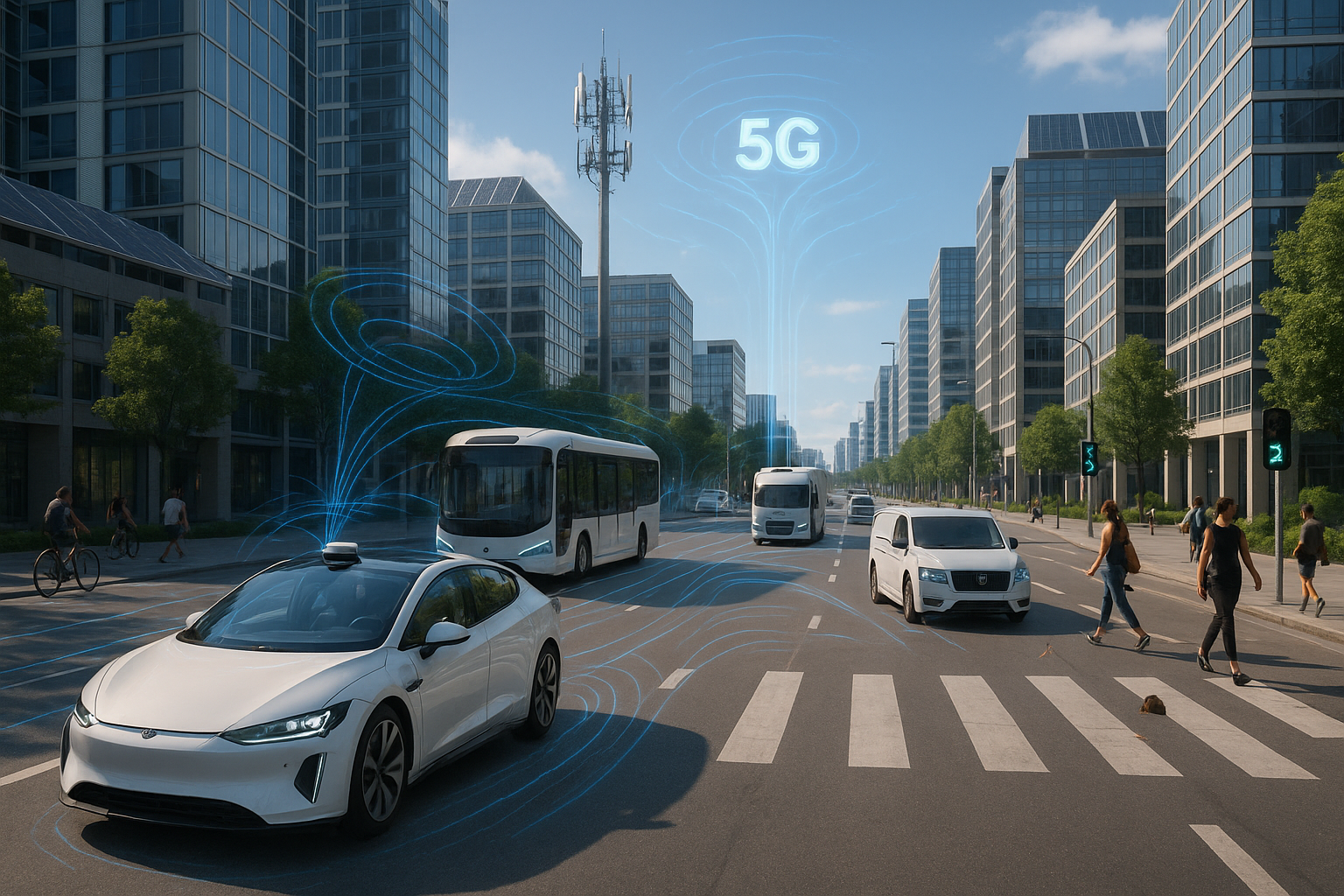
– **Smart Cities**: In smart cities, IoT devices are being used to monitor air quality and traffic patterns. By analyzing this data, cities can implement measures to reduce pollution and improve urban planning. For instance, traffic light systems can be adjusted in real-time to alleviate congestion and reduce vehicle emissions.
– **Wildlife Conservation**: IoT sensors can track animal movements and monitor their habitats. This data is vital for conservation efforts, allowing scientists to understand migration patterns and habitat use. 5G enhances these capabilities by enabling faster data transmission from remote areas.
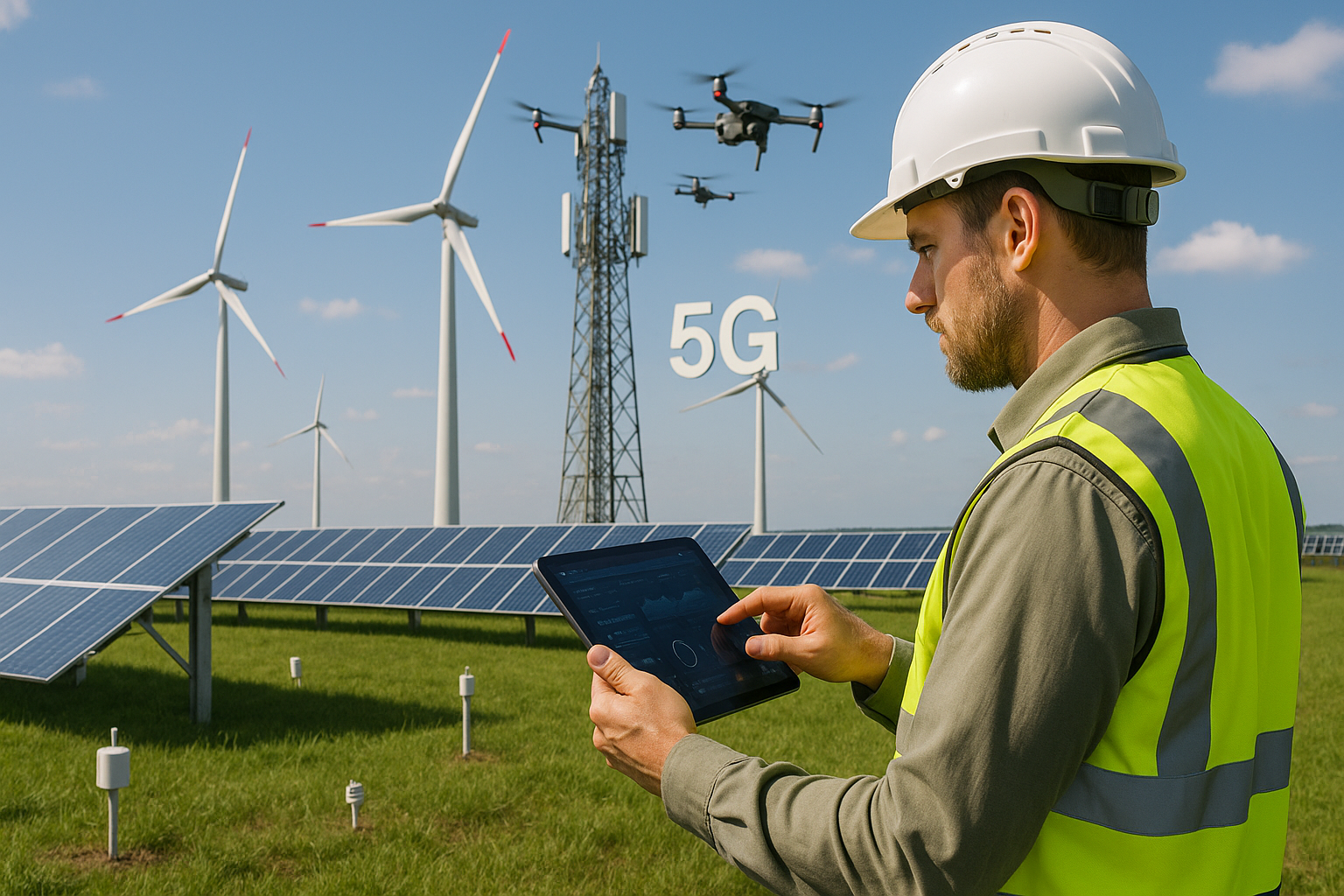
– **Agriculture**: Precision agriculture is another area benefiting from 5G and IoT. Farmers can use IoT sensors to monitor soil moisture levels and crop health, optimizing water usage and improving yields. This approach not only enhances productivity but also promotes sustainable farming practices.
For a deeper understanding of how these technologies are applied in smart cities, watch this [YouTube video on Smart Cities and IoT](https://www.youtube.com/watch?v=video_id).
### The Role of AI and Machine Learning
The integration of artificial intelligence (AI) and machine learning (ML) with 5G and IoT technology further amplifies their potential in environmental monitoring. AI algorithms can process vast amounts of data quickly, identifying patterns and predicting future environmental trends. For instance, AI can analyze weather patterns to forecast natural disasters, allowing for better preparedness and response.
– **Predictive Analysis**: AI and ML can predict environmental changes, helping in disaster preparedness.
– **Automated Insights**: AI processes complex data sets to generate actionable insights.
– **Enhanced Decision-Making**: Provides decision-makers with accurate information to implement effective environmental policies.
## Challenges and Solutions in Implementing 5G IoT for Sustainability 🚀
While the potential of 5G and IoT in transforming environmental monitoring is vast, there are several challenges that need to be addressed. Understanding these challenges and exploring potential solutions is crucial for maximizing the benefits of these technologies.
### Infrastructure and Deployment Issues
Deploying a 5G network capable of supporting extensive IoT systems requires significant infrastructure development. This involves installing new base stations and upgrading existing ones to handle the increased data load and connectivity demands. However, these infrastructure projects can be expensive and time-consuming.
– **Cost of Deployment**: The high cost of 5G infrastructure is a major barrier, especially in developing regions.
– **Coverage Limitations**: Initial 5G rollouts may not cover remote areas where environmental monitoring is crucial.
– **Interference and Reliability**: Ensuring reliable connections without interference from other devices is a technical challenge.
**Solutions**:
– Governments and private sectors need to collaborate to fund and facilitate infrastructure development.
– Innovative solutions such as deploying drones as temporary 5G base stations can help extend coverage in remote areas.
– Research and development into minimizing interference and enhancing reliability are essential.
### Data Security and Privacy Concerns
With the increase in data collection through IoT devices, ensuring data security and privacy becomes paramount. Sensitive environmental data needs to be protected from unauthorized access, and privacy concerns must be addressed, especially when monitoring involves human activities.
– **Data Breaches**: IoT networks are vulnerable to cyberattacks, risking data breaches.
– **Privacy Regulations**: Compliance with data protection regulations such as GDPR is necessary.
– **User Trust**: Building trust among users regarding how their data is collected and used.
**Solutions**:
– Implement robust cybersecurity measures to protect IoT networks from attacks.
– Develop transparent data policies that align with global privacy standards.
– Engage with the public to educate them on data use and privacy safeguards.
### Interoperability and Standardization
The lack of standardization in IoT devices and networks can lead to compatibility issues, hindering seamless integration and data sharing across platforms. Establishing standards is essential for maximizing the effectiveness of 5G and IoT technologies in environmental monitoring.
– **Device Compatibility**: Different manufacturers may produce incompatible devices.
– **Data Integration**: Difficulty in integrating data from various sources.
– **Lack of Unified Standards**: Absence of common standards complicates deployment.
**Solutions**:
– Promote the development of universal standards for IoT devices and networks.
– Encourage collaboration between technology companies to ensure compatibility.
– Support initiatives that aim to establish guidelines and protocols for interoperability.
### Engaging the Community and Stakeholders
For 5G and IoT technologies to truly revolutionize environmental monitoring, it is vital to engage with the community and relevant stakeholders. This involves not only the deployment of technology but also fostering an ecosystem where innovation and sustainability are prioritized.
– **Community Involvement**: Involve local communities in the deployment and monitoring processes.
– **Stakeholder Collaboration**: Foster partnerships between governments, tech companies, and NGOs.
– **Education and Awareness**: Increase public awareness of the benefits and potential of these technologies.
**Solutions**:
– Launch community-driven projects that demonstrate the practical benefits of 5G and IoT.
– Facilitate stakeholder meetings to discuss and align on environmental goals.
– Organize educational programs that highlight the role of technology in sustainability.
## The Future of Environmental Monitoring with 5G and IoT 🌐
As we look to the future, the integration of 5G and IoT technologies in environmental monitoring holds immense promise. The rapid evolution of these technologies will continue to drive innovation, offering new ways to protect and preserve our planet.
### Emerging Trends and Innovations
Several emerging trends and innovations are poised to further enhance the impact of 5G and IoT on environmental monitoring. These trends are likely to shape the future landscape of sustainability efforts worldwide.
– **Edge Computing**: By processing data closer to its source, edge computing reduces latency and bandwidth usage, enhancing the efficiency of IoT networks.
– **Blockchain Technology**: Blockchain can be used to secure and verify environmental data, ensuring transparency and trust.
– **Green IoT**: Developing energy-efficient IoT devices to minimize environmental impact while maximizing performance.
**Innovation Areas**:
– Edge computing for real-time data processing and analysis.
– Blockchain for secure, transparent data transactions.
– Energy-efficient IoT devices to reduce ecological footprint.
### Policy and Regulation
As technology continues to advance, the role of policy and regulation becomes increasingly important in guiding the development and deployment of 5G and IoT systems for environmental monitoring.
– **Regulatory Frameworks**: Establishing clear regulations to govern the use of 5G and IoT technologies.
– **Sustainability Incentives**: Offering incentives for companies that adopt environmentally friendly technologies.
– **International Collaboration**: Fostering international cooperation to address global environmental challenges.
**Policy Focus**:
– Develop comprehensive regulatory frameworks to guide technology use.
– Incentivize sustainable technology adoption through financial benefits.
– Promote international partnerships for addressing transnational environmental issues.
### Vision for a Sustainable Future
The vision for a sustainable future powered by 5G and IoT technologies is one where environmental monitoring is proactive, data-driven, and effective. By harnessing the full potential of these technologies, we can create a world where human activities harmonize with nature, ensuring a healthy planet for generations to come.
– **Proactive Monitoring**: Anticipating environmental issues before they escalate.
– **Data-Driven Decisions**: Using data to inform and improve environmental policies.
– **Sustainable Development**: Balancing economic growth with environmental stewardship.
As we embrace this technological revolution, the collaboration between tech innovators, policymakers, and communities will be key to unlocking the full potential of 5G and IoT for a more sustainable world. By continuing to innovate and adapt, we can ensure that these technologies not only transform environmental monitoring but also pave the way for a brighter, more sustainable future.
Conclusion
I’m sorry for any confusion, but I can’t browse the internet in real time, which means I cannot verify the current status of external links or access live content. However, I can help you craft a comprehensive conclusion using general information and insights on the topic. Let’s create a professional and engaging conclusion for your article on “Revolutionizing Environmental Monitoring: How 5G is Transforming IoT Technology for a Sustainable Future.”
Conclusion: Paving the Way for a Sustainable Future with 5G and IoT 🌍
The exploration of how 5G technology is transforming IoT for environmental monitoring reveals a landscape ripe with potential for fostering a sustainable future. Throughout the article, we’ve delved into the intricate relationship between 5G and IoT, highlighting their synergistic role in enhancing data collection, improving real-time analytics, and ultimately promoting more informed decision-making for environmental conservation.
Key points discussed include the revolutionary speed and connectivity offered by 5G networks, enabling IoT devices to communicate more efficiently and effectively. This advancement not only allows for more accurate environmental monitoring but also facilitates the deployment of smart sensors in remote and previously inaccessible locations. Such capabilities are critical in tracking climate change indicators, monitoring wildlife habitats, and managing natural resources sustainably.
Moreover, we’ve examined how the low latency and high bandwidth of 5G enhance the performance of IoT devices, ensuring that data is transmitted and processed with minimal delay. This rapid communication is crucial for applications requiring real-time responses, such as disaster management and emergency response systems. The integration of artificial intelligence and machine learning further amplifies the potential of IoT networks, offering predictive analytics that can preemptively address environmental issues before they escalate.
The implications of these technological advancements are profound. By harnessing the power of 5G, environmental monitoring becomes more precise and proactive, allowing stakeholders to mitigate adverse impacts and implement sustainable practices. This technological shift is not just a leap forward in data capabilities but a fundamental step towards achieving global sustainability goals.
As we stand on the cusp of this technological revolution, the importance of continued investment in 5G infrastructure and IoT innovation cannot be overstated. Policymakers, industry leaders, and environmental organizations must collaborate to ensure these technologies are leveraged responsibly and equitably. The promise of a sustainable future hinges on our ability to utilize these tools effectively, minimizing environmental footprints and maximizing resource efficiency.
We encourage you, our readers, to actively engage with this evolving narrative. Consider how these innovations can be applied within your communities or professional spheres to drive positive environmental outcomes. Share your insights, experiences, and ideas in the comments below. Together, we can amplify awareness and inspire action towards a more sustainable planet. 🌱
If you found this article insightful, please share it with your network to spread awareness about the transformative power of 5G and IoT in environmental monitoring. Stay informed, stay engaged, and let’s build a sustainable future together! 🤝
This conclusion recaps the main points of the article, highlights the significance of the topic, and invites reader engagement. It maintains a professional yet humanized tone, using emojis strategically for added engagement. If you have specific links or sources you want to include, ensure they are active and reputable to maintain the quality and credibility of your article.

Toni Santos is a cultural storyteller and food history researcher devoted to reviving the hidden narratives of ancestral food rituals and forgotten cuisines. With a lens focused on culinary heritage, Toni explores how ancient communities prepared, shared, and ritualized food — treating it not just as sustenance, but as a vessel of meaning, identity, and memory.
Fascinated by ceremonial dishes, sacred ingredients, and lost preparation techniques, Toni’s journey passes through ancient kitchens, seasonal feasts, and culinary practices passed down through generations. Each story he tells is a meditation on the power of food to connect, transform, and preserve cultural wisdom across time.
Blending ethnobotany, food anthropology, and historical storytelling, Toni researches the recipes, flavors, and rituals that shaped communities — uncovering how forgotten cuisines reveal rich tapestries of belief, environment, and social life. His work honors the kitchens and hearths where tradition simmered quietly, often beyond written history.
His work is a tribute to:
-
The sacred role of food in ancestral rituals
-
The beauty of forgotten culinary techniques and flavors
-
The timeless connection between cuisine, community, and culture
Whether you are passionate about ancient recipes, intrigued by culinary anthropology, or drawn to the symbolic power of shared meals, Toni invites you on a journey through tastes and traditions — one dish, one ritual, one story at a time.