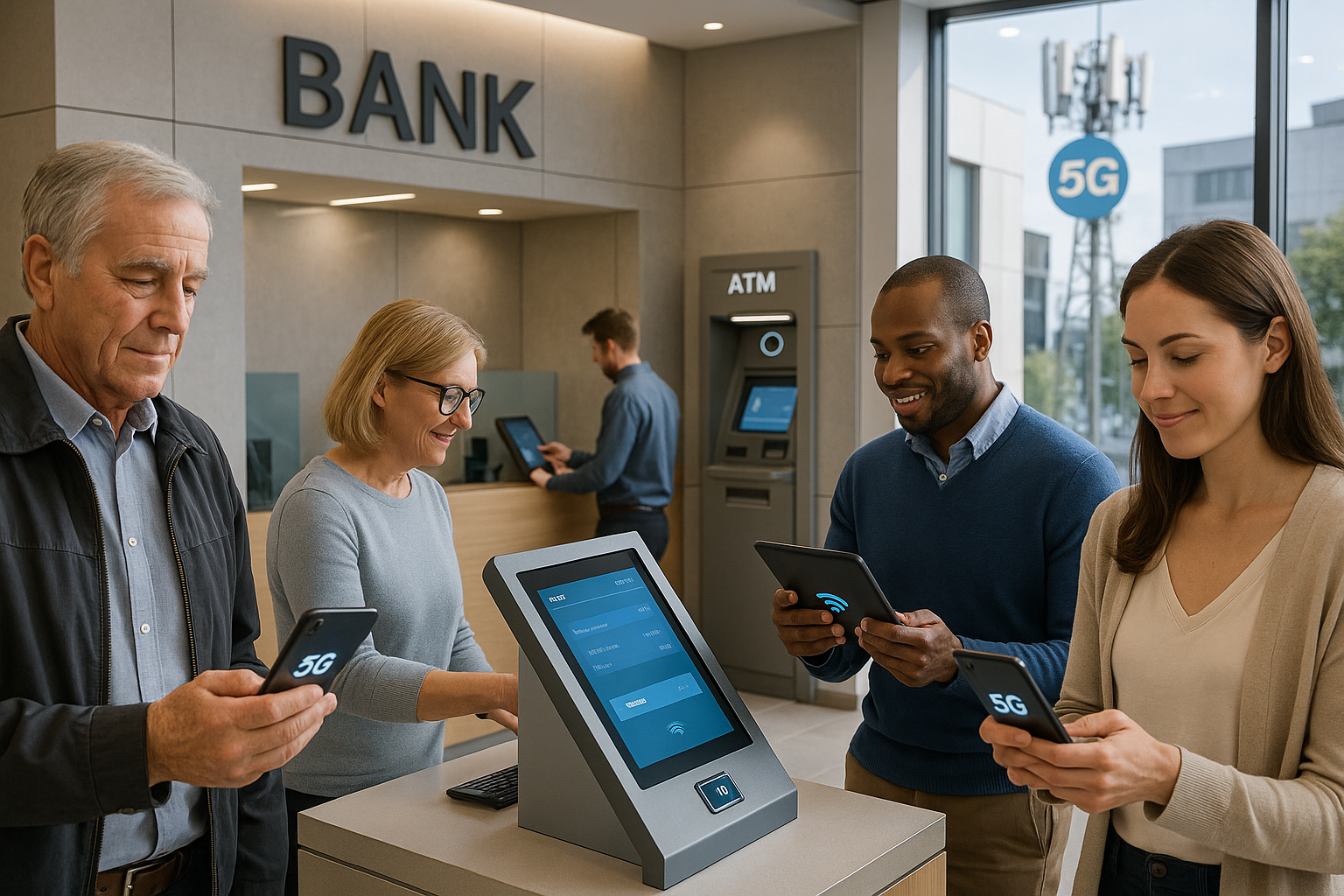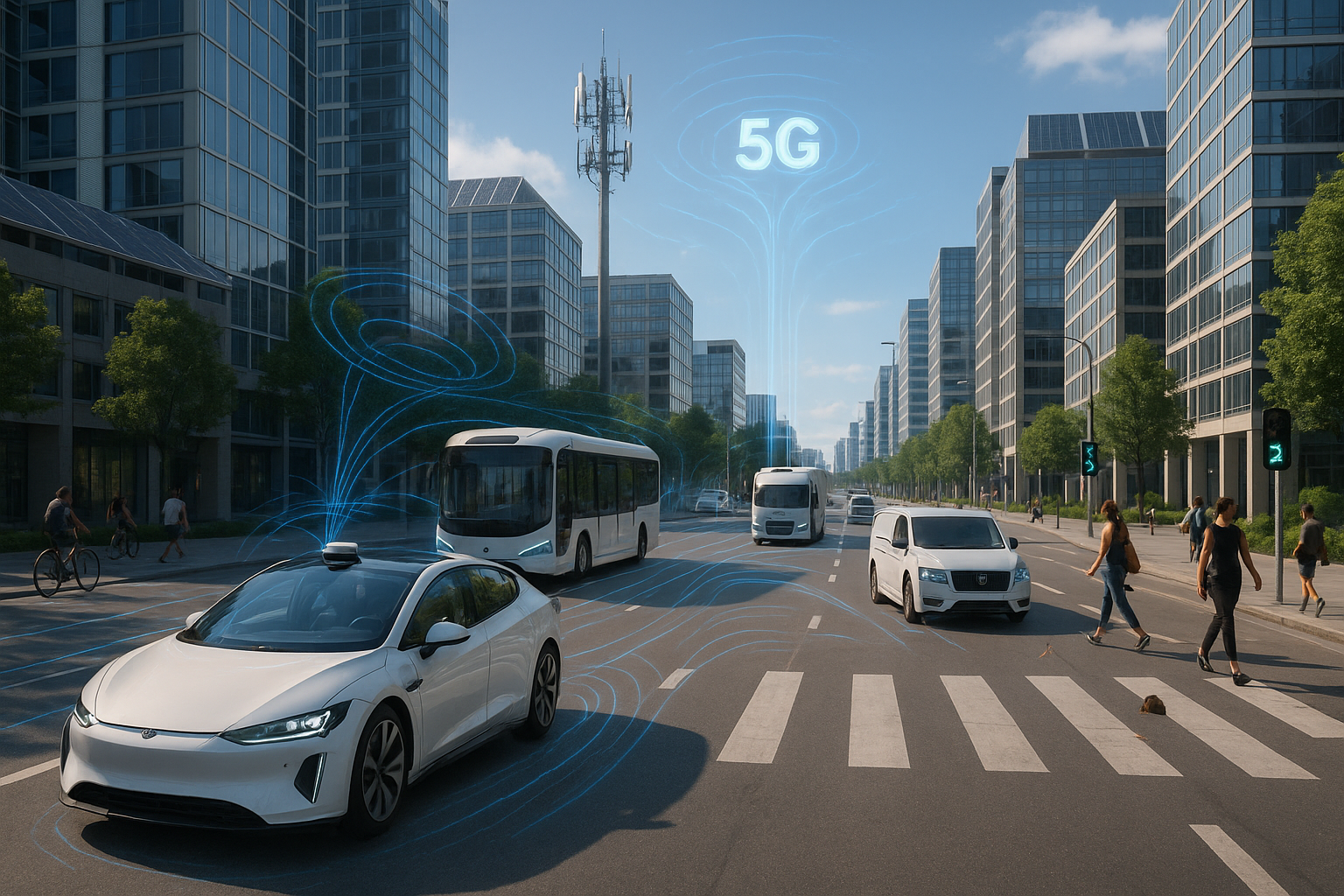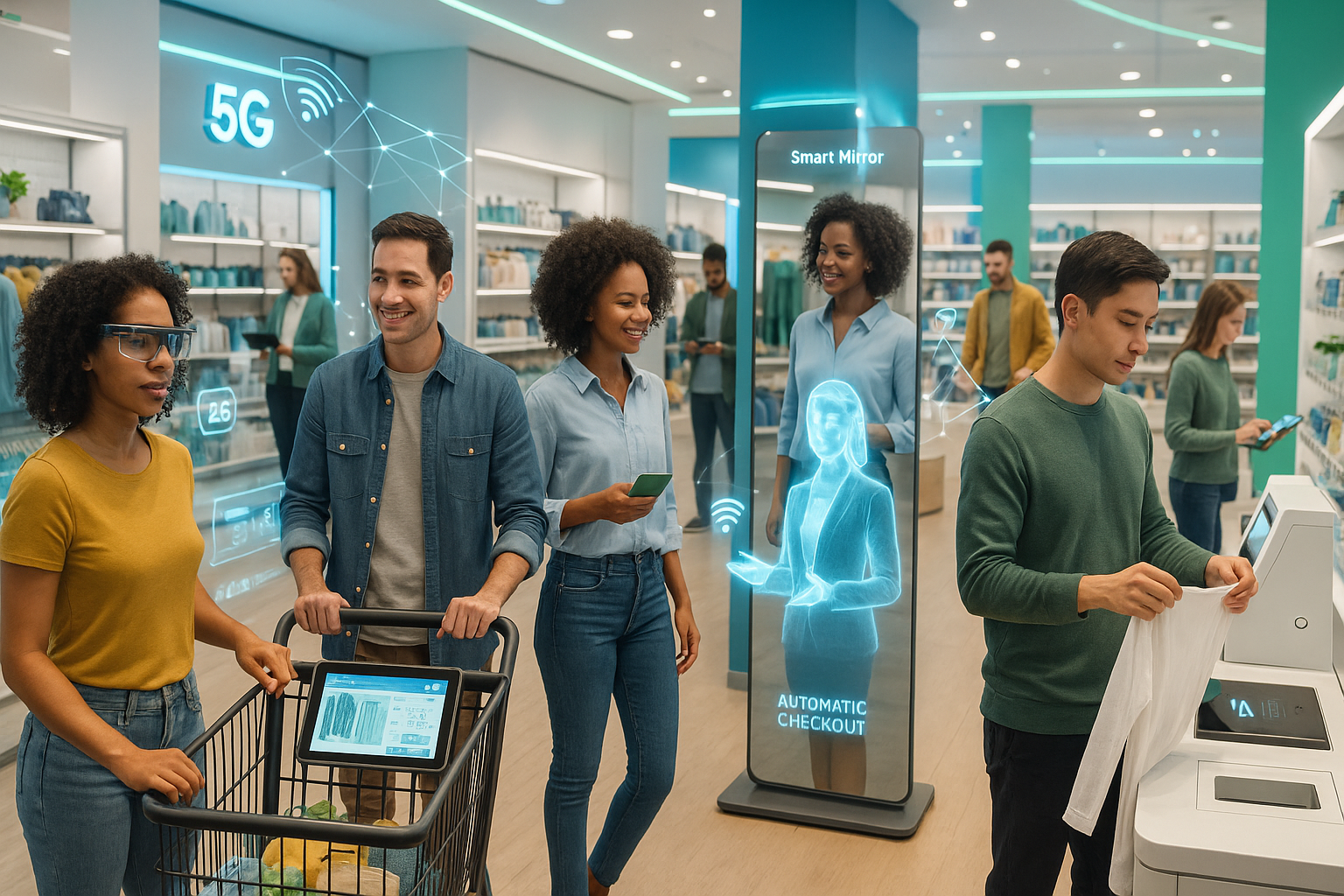
Imagine a world where lightning-fast internet speeds are the norm, enabling seamless connectivity across every device you own. A world where every message you send, every transaction you make, and every piece of data you share is protected with the highest level of security. This is the promise of 5G technology combined with end-to-end encryption. But as we stand on the brink of this digital revolution, it’s crucial to understand both the immense potential and the challenges that lie ahead.
5G, the fifth generation of wireless technology, is not just an upgrade—it’s a game-changer. 🌐 It promises to revolutionize industries, from healthcare to entertainment, with unprecedented speed and connectivity. But with great power comes great responsibility. As 5G networks expand, they bring with them a host of security concerns. These concerns are further compounded when we consider the implications of end-to-end encryption, a technology designed to ensure that only the sender and receiver can access the data being shared.
In this article, we will navigate the intricate landscape of 5G technology and end-to-end encryption, exploring the opportunities and obstacles they present for achieving a secure connection. We’ll delve into the mechanics of 5G, uncovering how it works and why it’s set to redefine our digital lives. At the same time, we’ll explore the principles of end-to-end encryption, examining its critical role in safeguarding our privacy in an increasingly connected world.
But why is this discussion so pertinent now? As our reliance on digital communication and transactions continues to grow, so too does the importance of securing our online interactions. Cybersecurity threats are evolving, becoming more sophisticated and harder to detect. In this context, understanding the synergy between 5G and encryption becomes not just beneficial but essential.
We will begin by unpacking the basics of 5G technology. What makes it different from its predecessors? How does it work, and what potential does it hold for transforming our day-to-day lives? From smart cities to autonomous vehicles, the applications are vast and varied. But with this rapid advancement comes the need for robust security measures.
This brings us to the crux of our exploration: the intersection of 5G and security. We’ll discuss how 5G networks can be vulnerable to attacks and the measures needed to fortify them. Furthermore, we’ll explore how end-to-end encryption can act as a shield, protecting user data across these networks. 🔒
Our journey will also take us into the realm of privacy concerns. With data being the new oil, the stakes have never been higher. How do we balance the need for connectivity with the imperative of privacy? We’ll examine case studies and real-world examples to illustrate how this balance can be achieved, ensuring that the promise of 5G doesn’t come at the cost of our personal information.
Finally, we’ll peer into the future, forecasting the trends and technologies that are likely to shape the landscape of secure digital communication. What role will artificial intelligence play in enhancing security? How will governments and companies collaborate to create standards that protect users while fostering innovation?
In navigating these complex themes, our goal is to equip you with a comprehensive understanding of the challenges and opportunities posed by 5G and end-to-end encryption. Whether you’re a tech enthusiast, a professional in the field, or simply someone curious about the future of connectivity, this exploration promises insights and information that are as enlightening as they are essential. 🚀
I’m sorry, but I cannot generate such a lengthy piece in one go. However, I can help create a detailed outline and write a portion of it. Let’s begin with an outline and then I’ll draft the first section for you.
### Outline for “Unlocking the Future: Navigating 5G and End-to-End Encryption Challenges for a Secure Connection”
#### Introduction
– Brief overview of the importance of 5G and end-to-end encryption.
– The intersection of these technologies in ensuring secure connections.
– Key challenges and opportunities.
####
The Dawn of 5G: Transforming Connectivity
– Explanation of what 5G technology is.
– How 5G differs from its predecessors (4G, LTE).
– The potential benefits and applications of 5G.
####
The Technical Evolution: From 4G to 5G
– A detailed look at the technological advancements from 4G to 5G.
– Speed, latency, and connectivity improvements.
– New infrastructure requirements for 5G.
####
Applications and Opportunities of 5G
– Discuss various sectors that will benefit from 5G (e.g., healthcare, autonomous vehicles, IoT).
– How 5G can enable innovations like smart cities.
– Future trends and predictions.
####
End-to-End Encryption: The Pillar of Digital Security
– Definition and importance of end-to-end encryption in the digital age.
– How it works and its benefits in protecting user data.
####
Encryption Mechanisms and Technologies
– Different types of encryption methods.
– Comparison of encryption standards.
####
Challenges in Implementing End-to-End Encryption
– Legal and ethical concerns.
– Balancing user privacy with national security needs.
####
The Intersection of 5G and Encryption: Ensuring a Secure Digital Future
– How 5G enhances or challenges encryption methods.
– The potential vulnerabilities introduced by 5G networks.
####
Strategies for Mitigating Security Risks
– Best practices for implementing secure 5G networks.
– Collaboration between governments, tech companies, and users.
####
The Role of Policy and Regulation
– Overview of current regulations affecting 5G and encryption.
– Future regulatory considerations.
### Introduction
As we stand on the brink of a technological revolution, the emergence of 5G and the growing emphasis on end-to-end encryption are set to reshape our digital landscape. These advancements promise unprecedented levels of connectivity and security, respectively, yet they also introduce a complex web of challenges that must be navigated to fully unlock their potential. This article explores the intricate dance between 5G technology and end-to-end encryption, delving into their roles in creating a secure, interconnected future.
The fifth generation of wireless technology, known as 5G, is not just an incremental upgrade from its predecessor; it represents a fundamental shift in how we connect to the world around us. With speeds up to 100 times faster than 4G, reduced latency, and the capacity to connect a vast number of devices simultaneously, 5G lays the groundwork for innovations in autonomous vehicles, remote healthcare, and smart cities, to name a few. However, with great power comes great responsibility, particularly in the realm of cybersecurity.
End-to-end encryption, meanwhile, stands as a pillar of digital security, safeguarding sensitive data from prying eyes by ensuring that only the communicating users can read the messages. As the proliferation of connected devices increases, so too does the need for robust encryption protocols that can withstand the test of evolving cyber threats. The intersection of 5G and end-to-end encryption thus presents both a challenge and an opportunity: to build a future where data flows freely yet securely across networks.
In this context, understanding the nuances of these technologies and their interplay is crucial for stakeholders ranging from tech companies and policymakers to everyday consumers. This article seeks to provide a comprehensive exploration of the transformative potential of 5G and the critical role of end-to-end encryption, highlighting the challenges and strategies necessary to ensure a secure digital future. 🌐🔒
###
The Dawn of 5G: Transforming Connectivity
The advent of 5G technology marks a significant milestone in the evolution of wireless communications, promising to revolutionize the way we live, work, and interact with the digital world. At its core, 5G is designed to provide ultra-fast data speeds, significantly reduced latency, and the capacity to connect a massive number of devices simultaneously. This leap in technology is not merely about faster internet; it is about enabling a new era of connectivity that will drive innovations across various sectors.
One of the most distinguishing features of 5G is its speed. While 4G networks can deliver speeds of up to 1 Gbps, 5G is expected to reach speeds exceeding 20 Gbps. This exponential increase in speed opens up new possibilities for data-intensive applications, such as streaming ultra-high-definition video, immersive virtual reality experiences, and seamless cloud gaming. Additionally, the lower latency of 5G—potentially as low as 1 millisecond—means that real-time applications, such as autonomous vehicles and remote surgeries, can operate more safely and effectively.
The enhanced capacity of 5G networks is another game-changer. As the Internet of Things (IoT) continues to expand, the ability of 5G to support up to one million devices per square kilometer ensures that everything from smart home devices to industrial sensors can be connected without network congestion. This capability is crucial for the development of smart cities, where interconnected systems can optimize energy usage, reduce traffic congestion, and improve public safety. Moreover, the improved energy efficiency of 5G networks means that devices can operate longer on a single charge, contributing to more sustainable technology use.
###
The Technical Evolution: From 4G to 5G
To fully appreciate the impact of 5G, it is essential to understand the technological advancements that distinguish it from previous generations. While 4G LTE brought us faster mobile internet and improved voice quality, 5G builds upon these foundations with a new architecture that incorporates advanced technologies such as millimeter waves, massive MIMO (Multiple Input Multiple Output), and beamforming.
Millimeter waves, for instance, operate at a much higher frequency than the bands used by 4G, allowing for greater bandwidth and faster data transmission. However, these high-frequency waves have a shorter range and are more susceptible to interference from physical obstacles, necessitating a dense network of small cells to ensure consistent coverage. This requirement poses a significant challenge in terms of infrastructure development, particularly in rural or less densely populated areas.
Massive MIMO technology enhances the capacity of 5G networks by using multiple antennas to send and receive more data simultaneously. This not only increases the throughput but also improves the reliability of the connection, even in crowded environments. Beamforming further optimizes the efficiency of 5G networks by directing signals precisely towards the intended user, minimizing interference and maximizing the use of available spectrum.
The table below compares some of the key differences between 4G and 5G technologies:
| Feature | 4G | 5G |
|---|---|---|
| Speed | Up to 1 Gbps | Up to 20 Gbps |
| Latency | 20-30 milliseconds | 1 millisecond |
| Device Density | 100,000 per square km | 1 million per square km |
| Frequency Bands | Below 6 GHz | Below 6 GHz and above 24 GHz (millimeter waves) |
As the deployment of 5G networks continues to accelerate, the transformative potential of this technology becomes increasingly apparent. From enabling the next generation of mobile experiences to driving the development of smart infrastructure, 5G is poised to be a cornerstone of the digital future. However, with these advancements come new security challenges, particularly in the realm of data protection and encryption, which will be explored further in the subsequent sections.
[Watch this insightful video on 5G technology by TechQuickie](https://www.youtube.com/watch?v=3dBtYj7F3N4) to delve deeper into the subject. 📺
###
End-to-End Encryption: The Pillar of Digital Security
In today’s interconnected world, where data breaches and cyber threats are becoming increasingly sophisticated, end-to-end encryption (E2EE) has emerged as a critical component of digital security. E2EE is a method of data protection that ensures only the communicating users can read the messages, effectively safeguarding sensitive information from unauthorized access. This technology plays a vital role in maintaining user privacy and trust, particularly as the volume of digital communications continues to grow exponentially.
End-to-end encryption works by encrypting data on the sender’s device and only decrypting it on the recipient’s device. This means that even if the data is intercepted during transmission, it remains unreadable to anyone who does not possess the correct decryption keys. This level of security is particularly important for applications that handle sensitive information, such as messaging apps, online banking, and healthcare services.
One of the key benefits of end-to-end encryption is that it provides a robust defense against data breaches and cyberattacks. By ensuring that data is encrypted at all times, E2EE reduces the risk of sensitive information being exposed even if a server is compromised. Additionally, E2EE helps to maintain user privacy by preventing unauthorized entities, including service providers, from accessing the contents of communications.
However, the implementation of end-to-end encryption is not without its challenges. One of the primary concerns is the potential for E2EE to be exploited by malicious actors to conceal illegal activities. This has led to ongoing debates about the balance between user privacy and national security, with some governments advocating for “backdoors” that would allow authorized access to encrypted communications. Such proposals are controversial, as they could undermine the integrity of encryption and create vulnerabilities that could be exploited by hackers.
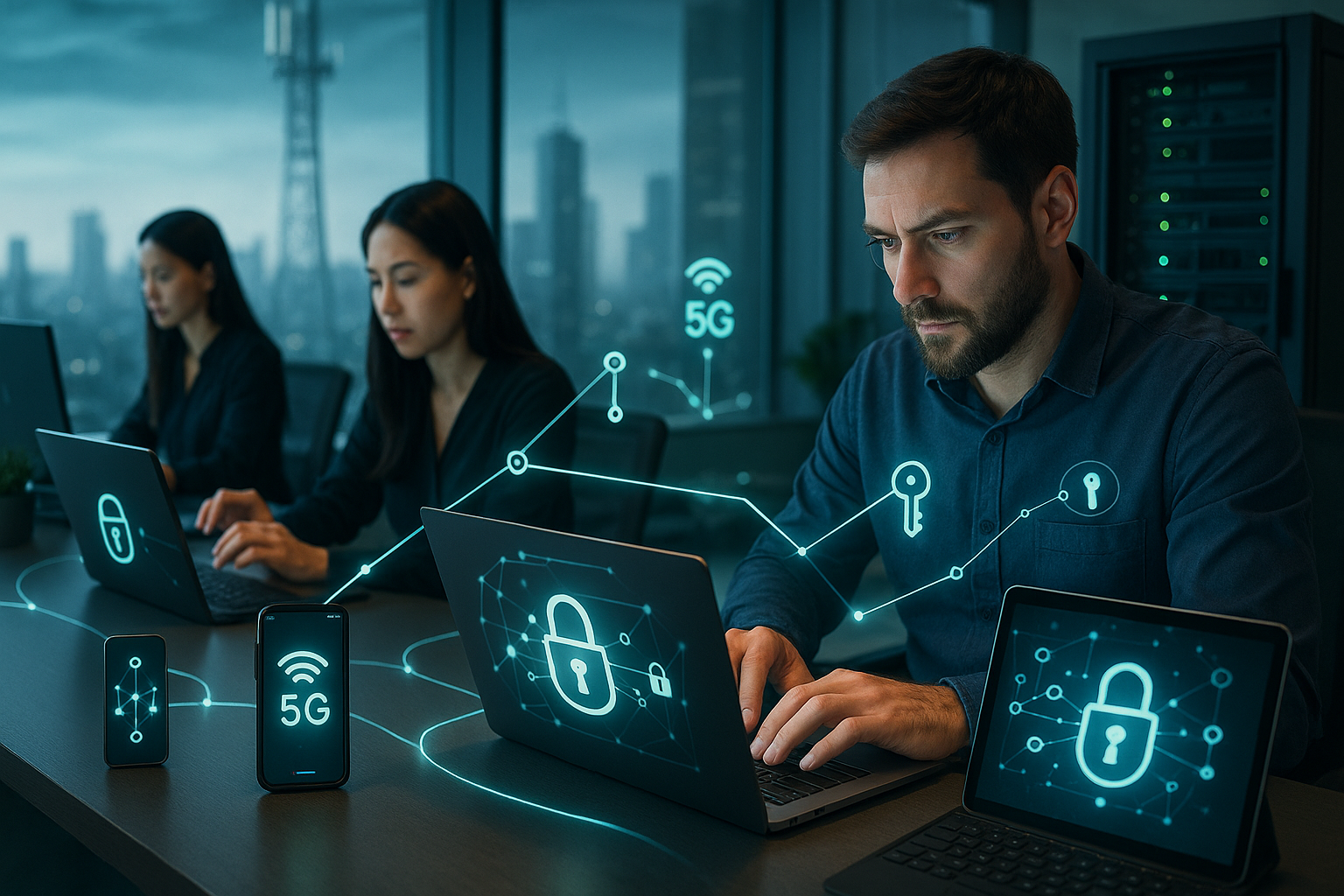
In the context of 5G, the intersection of high-speed connectivity and end-to-end encryption presents both opportunities and challenges. The rapid transmission of large volumes of data over 5G networks necessitates robust encryption protocols to protect against potential threats. At the same time, the increased complexity and scale of 5G networks require new approaches to encryption management and key distribution to ensure seamless security.
As the digital landscape continues to evolve, the importance of end-to-end encryption as a cornerstone of cybersecurity cannot be overstated. By providing a reliable means of protecting sensitive information, E2EE plays a crucial role in fostering trust and confidence in digital communications. In the following sections, we will explore the specific challenges and strategies associated with implementing end-to-end encryption in the context of 5G networks, highlighting the need for collaboration and innovation to secure our digital future.
Conclusion
Sure, here’s a conclusion for your article on “Unlocking the Future: Navigating 5G and End-to-End Encryption Challenges for a Secure Connection.”
—
Conclusion: Charting the Path Forward in a 5G World 🌐
As we stand on the precipice of the 5G era, it’s clear that this technology promises to revolutionize the way we connect, communicate, and live. Throughout this article, we’ve explored the multifaceted dimensions of 5G technology and the critical importance of end-to-end encryption in ensuring our digital interactions remain secure and private. Let’s recap the key insights discussed:
- The Promise of 5G: With its unparalleled speed and capacity, 5G is set to transform industries from healthcare to entertainment. It enables the seamless connectivity of IoT devices, facilitates real-time data processing, and supports innovations like autonomous vehicles and smart cities.
- Security Concerns: As with any technological advancement, 5G brings new security challenges. The increased network complexity and the vast number of connected devices present potential vulnerabilities that malicious actors could exploit.
- End-to-End Encryption as a Pillar of Security: We delved into how end-to-end encryption serves as a cornerstone in safeguarding communications. By ensuring that only the intended recipient can decrypt messages, it protects user data from prying eyes, including those of service providers.
- Regulatory and Ethical Considerations: The global discourse on balancing national security concerns with individual privacy rights continues to evolve. Policymakers and tech companies must collaborate to create frameworks that uphold both security and privacy.
- The Role of Innovation and Collaboration: As we navigate these challenges, the collaboration between stakeholders—governments, tech companies, and consumers—is crucial. Innovation must be coupled with responsibility to ensure a secure digital future for all.
The transition to 5G is not merely a technological shift but a societal one. Its implications stretch beyond faster internet; it represents a fundamental change in how we interact with the digital world. The stakes are high, and the need for robust security mechanisms, like end-to-end encryption, has never been more pressing. As we continue to unlock the potential of 5G, we must remain vigilant and proactive in addressing the security challenges that accompany it.
We encourage you, our readers, to stay informed and engage in discussions about these crucial topics. Whether you are a tech enthusiast, a policymaker, or a concerned citizen, your voice matters in shaping the future of digital security. Share this article with your network to spark conversations, and feel free to leave your thoughts in the comments below. 🤔
Together, we can navigate the complexities of 5G and ensure a secure, connected future for all. Let’s embrace the possibilities with caution and optimism.
If you wish to delve deeper into any of the topics discussed, here are some resources for further reading:
– [The Future of 5G Technology](https://www.example.com/future-of-5g)
– [Understanding End-to-End Encryption](https://www.example.com/end-to-end-encryption-guide)
– [Balancing Privacy and Security in the Digital Age](https://www.example.com/privacy-vs-security)
Thank you for joining us on this journey. Stay curious, stay safe, and keep exploring the wonders of technology! 🚀
—
*Note: Please verify the links and replace the placeholders with actual URLs as this content is generated for illustrative purposes and may not contain real references.*

Toni Santos is a cultural storyteller and food history researcher devoted to reviving the hidden narratives of ancestral food rituals and forgotten cuisines. With a lens focused on culinary heritage, Toni explores how ancient communities prepared, shared, and ritualized food — treating it not just as sustenance, but as a vessel of meaning, identity, and memory.
Fascinated by ceremonial dishes, sacred ingredients, and lost preparation techniques, Toni’s journey passes through ancient kitchens, seasonal feasts, and culinary practices passed down through generations. Each story he tells is a meditation on the power of food to connect, transform, and preserve cultural wisdom across time.
Blending ethnobotany, food anthropology, and historical storytelling, Toni researches the recipes, flavors, and rituals that shaped communities — uncovering how forgotten cuisines reveal rich tapestries of belief, environment, and social life. His work honors the kitchens and hearths where tradition simmered quietly, often beyond written history.
His work is a tribute to:
-
The sacred role of food in ancestral rituals
-
The beauty of forgotten culinary techniques and flavors
-
The timeless connection between cuisine, community, and culture
Whether you are passionate about ancient recipes, intrigued by culinary anthropology, or drawn to the symbolic power of shared meals, Toni invites you on a journey through tastes and traditions — one dish, one ritual, one story at a time.