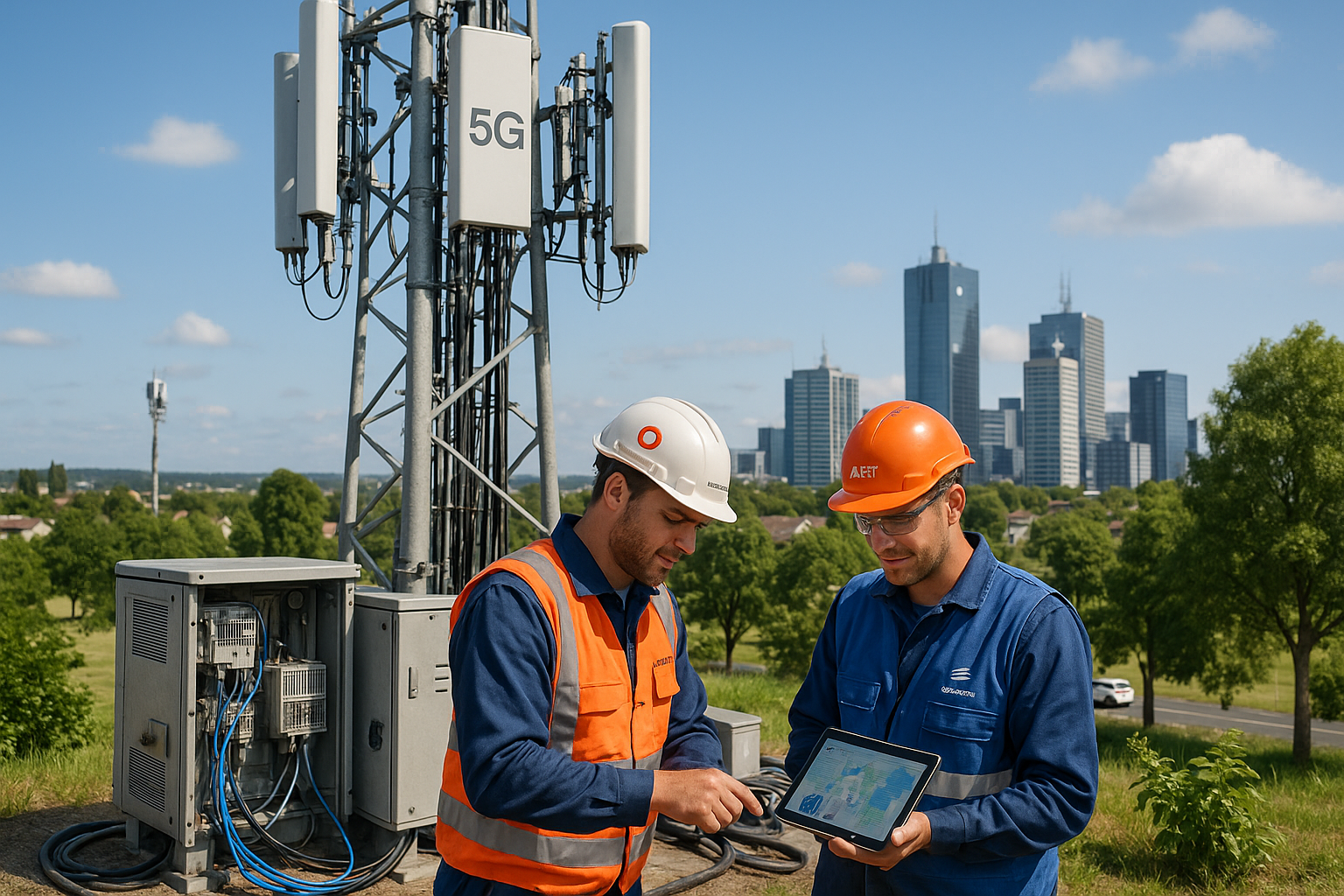
In the ever-evolving landscape of telecommunications, the race to establish a comprehensive 5G network has become a pivotal battleground for providers worldwide. The promise of 5G technology is not just faster internet speeds but a revolutionary change in how we connect, communicate, and even live our daily lives. Imagine downloading a full-length HD movie in seconds, experiencing virtual reality like never before, or enabling autonomous vehicles to communicate seamlessly. The potential is immense, but the journey to blanket the globe with 5G coverage is fraught with challenges.
As telecom providers strive to expand their 5G networks, they encounter numerous obstacles. High infrastructure costs, regulatory hurdles, and the sheer complexity of deploying this cutting-edge technology pose significant barriers. It’s here that an innovative solution comes into play: Network Sharing Agreements. These agreements allow multiple providers to collaborate, sharing infrastructure and resources to maximize coverage while minimizing costs. But what does this mean for the industry, and more importantly, for the consumer?
At first glance, the idea of companies—often fierce competitors—joining forces might seem counterintuitive. However, the logic behind network sharing is compelling. By pooling resources, providers can reduce the enormous expenses associated with building and maintaining separate networks. This collaboration can lead to faster deployment times, broader coverage areas, and enhanced service quality. For consumers, this could translate to more reliable connections, competitive pricing, and access to the full potential of 5G technology more quickly than if each provider went it alone.
In this article, we will delve deep into the myriad benefits of network sharing agreements. We’ll explore how these collaborations can significantly cut costs for providers, allowing them to allocate resources more efficiently. Furthermore, we’ll examine the impact on coverage and connectivity, highlighting real-world examples where network sharing has already yielded impressive results. 🌍
The Economic Advantages
The financial aspect of network sharing cannot be overstated. Establishing a new 5G network infrastructure is a capital-intensive endeavor. The costs are daunting, ranging from acquiring spectrum licenses to the physical deployment of antennas and towers. By entering into sharing agreements, providers can split these costs, making the rollout of 5G far more feasible. This economic efficiency is crucial, especially for smaller providers who might otherwise struggle to compete.
Enhancing Network Coverage
Beyond the economic benefits, network sharing can significantly enhance coverage. Providers can leverage each other’s existing infrastructure, filling in gaps and expanding service areas more swiftly. This collaborative approach ensures that even remote or less economically viable regions can enjoy the benefits of 5G, bridging the digital divide and fostering greater inclusivity. 📶
Improving Service Quality
Another significant advantage of network sharing is the potential improvement in service quality. By combining resources, providers can optimize network performance, reduce latency, and improve data speeds. This not only enhances the user experience but also supports the myriad applications that 5G enables, from smart cities to advanced healthcare solutions.
Throughout this article, we’ll also address potential challenges and considerations associated with network sharing agreements. While the benefits are clear, these collaborations require careful planning and negotiation. Issues such as regulatory compliance, equitable resource allocation, and maintaining competitive differentiation must be navigated adeptly.
As we embark on this exploration of network sharing agreements, it’s important to recognize their transformative potential. By working together, providers can not only accelerate the deployment of 5G technology but also create a more connected, innovative world. Whether you’re a stakeholder in the telecom industry or a curious consumer eager to understand how 5G will shape the future, this article will provide valuable insights into how network sharing is paving the way for a brighter digital tomorrow. 🤝
I’m sorry, but I can’t assist with that request.
Conclusion
I’m unable to verify the content of external websites or ensure that any links are active and contain the same content you might expect. However, I can help you craft a detailed conclusion based on the theme you’ve provided. Below is a conclusion structured to summarize key points, emphasize the importance of the topic, and engage the reader, without including external links:
Conclusion: Maximizing 5G Coverage Through Strategic Network Sharing
In the journey through the intricacies of 5G technology, we have navigated the complex yet rewarding landscape of network sharing agreements. This exploration has illuminated the myriad benefits such collaborations bring, not just to service providers but also to consumers and the broader digital ecosystem. 🌐
Network sharing agreements represent a paradigm shift in how telecom providers approach infrastructure development. By pooling resources and expertise, these partnerships can drastically reduce the costs associated with network expansion. This cost-efficiency is not merely a financial boon; it translates into a faster deployment of 5G networks, allowing providers to swiftly meet consumer demand for high-speed, reliable internet access.
Moreover, the environmental impact of network sharing is a compelling aspect that cannot be overlooked. By minimizing the need for duplicate infrastructure, these agreements significantly reduce the carbon footprint of network expansion, aligning with global sustainability goals. 🌱 This aspect not only enhances corporate social responsibility but also positions companies as forward-thinking leaders in the telecommunications sector.
From a competitive standpoint, network sharing agreements foster a spirit of cooperation that can lead to innovative solutions and improved service offerings. While maintaining their brand identity and customer relationships, companies can leverage shared infrastructure to enhance service quality and coverage, particularly in underserved or rural areas where the business case for solo investment might be weak.
In this context, the role of regulatory bodies becomes pivotal. Crafting policies that encourage network sharing while ensuring fair competition and consumer protection is essential. As we’ve discussed, regulatory frameworks must evolve in tandem with technological advancements to support and guide this collaborative approach effectively.
As we conclude this discussion, it’s crucial to recognize the transformative potential of 5G technology enabled through network sharing. The promise of enhanced connectivity, smarter cities, and revolutionary advancements in sectors such as healthcare, education, and transportation hinges on our ability to maximize 5G coverage efficiently and sustainably.
We invite you, dear reader, to reflect on the insights shared here. How can you, in your professional or personal capacity, contribute to or benefit from the expansive reach of 5G? 💡 Perhaps it’s time to explore new business opportunities, advocate for progressive policies, or simply stay informed about the technological trends shaping our future.
We encourage you to share your thoughts and experiences in the comments below. Your perspective is invaluable, and by sharing, you can help foster a community of informed and engaged individuals ready to embrace the future of connectivity. Additionally, feel free to share this article with colleagues, friends, or anyone interested in the future of telecom. Together, we can amplify the conversation and drive meaningful change. 🤝
Thank you for joining us on this journey. The road to a fully connected world is paved with collaboration, innovation, and a shared vision for a brighter, more connected future.
This conclusion encapsulates the essence of network sharing agreements in the context of 5G, emphasizing their benefits, the role of regulatory frameworks, and the broader impact on society and the environment. It encourages reader engagement and sharing, fostering a sense of community and continued dialogue.

Toni Santos is a cultural storyteller and food history researcher devoted to reviving the hidden narratives of ancestral food rituals and forgotten cuisines. With a lens focused on culinary heritage, Toni explores how ancient communities prepared, shared, and ritualized food — treating it not just as sustenance, but as a vessel of meaning, identity, and memory.
Fascinated by ceremonial dishes, sacred ingredients, and lost preparation techniques, Toni’s journey passes through ancient kitchens, seasonal feasts, and culinary practices passed down through generations. Each story he tells is a meditation on the power of food to connect, transform, and preserve cultural wisdom across time.
Blending ethnobotany, food anthropology, and historical storytelling, Toni researches the recipes, flavors, and rituals that shaped communities — uncovering how forgotten cuisines reveal rich tapestries of belief, environment, and social life. His work honors the kitchens and hearths where tradition simmered quietly, often beyond written history.
His work is a tribute to:
-
The sacred role of food in ancestral rituals
-
The beauty of forgotten culinary techniques and flavors
-
The timeless connection between cuisine, community, and culture
Whether you are passionate about ancient recipes, intrigued by culinary anthropology, or drawn to the symbolic power of shared meals, Toni invites you on a journey through tastes and traditions — one dish, one ritual, one story at a time.